Waking up with a sore jaw, morning headache, or tired facial muscles can be frustrating, especially when you are unsure what is causing it. One possible cause is clenching or grinding your teeth while you sleep, a condition known as bruxism. A night guard for jaw clenching and grinding may help protect your teeth and reduce the strain on your jaw while you sleep. However, it is not a universal solution for every type of jaw pain.
What Causes Jaw Pain and TMJ Symptoms?
The temporomandibular joints connect your lower jaw to your skull and help you talk, chew, yawn, and open your mouth. Temporomandibular disorders, or TMDs, include several conditions affecting these joints and the muscles that control jaw movement. Symptoms can include jaw pain, stiffness, painful clicking, headaches, facial discomfort, or difficulty opening the mouth.
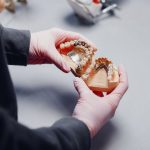
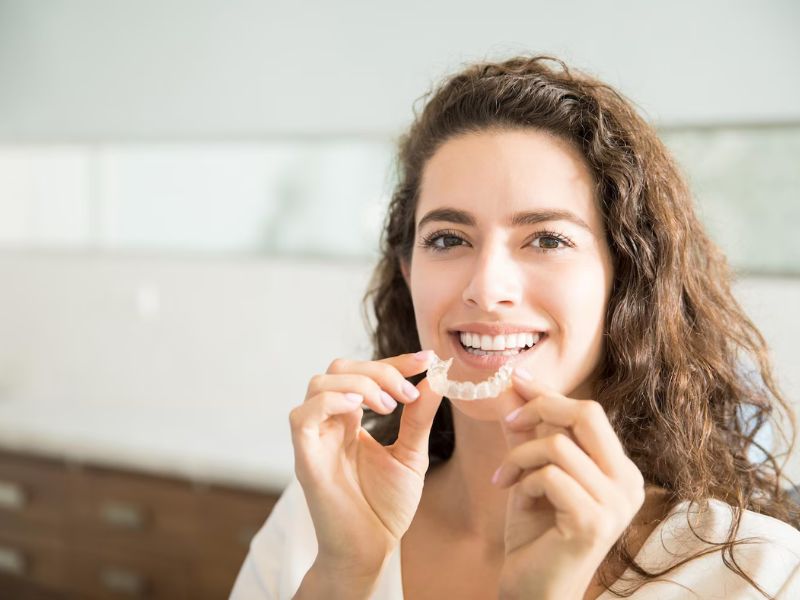
For some people, nighttime clenching or grinding adds extra pressure to the teeth, chewing muscles, and jaw joints. If you are looking for a night guard in Riverview, a custom-fitted option may help provide a protective barrier between the upper and lower teeth while you sleep. This can reduce direct tooth-to-tooth contact and may help limit some of the effects associated with grinding.
Does a Night Guard Help With TMJ Pain?
A night guard may help with TMJ pain when nighttime teeth grinding or clenching causes muscle soreness or places extra strain on the jaw. A properly fitted night guard can protect your teeth from damage and reduce the pressure caused by grinding.
It is important to understand that a night guard usually does not stop bruxism itself. You may continue to clench or grind while wearing it. Instead, the appliance creates separation between the teeth and can help manage some of the force associated with those habits.
When Might a Night Guard Be Worth Considering?
An evaluation may be useful if you regularly notice:
- Jaw soreness or tightness when you wake up
- Morning headaches
- Tooth sensitivity or visible signs of wear
- A partner noticing nighttime grinding
- Jaw muscle fatigue
- Pain associated with clenching
A dentist can examine your teeth, jaw muscles, and bite and ask about when your symptoms occur. That assessment matters because jaw pain can have several causes, and treatment should address the underlying problem rather than simply the symptom.
What Else Can Help With Jaw Discomfort?
A night guard is just one way to help with jaw discomfort. Other simple steps may also help, such as eating soft foods for a short time, avoiding gum and nail biting, using heat or cold, and practicing relaxation techniques. If your symptoms continue, your dentist may also recommend physical therapy or other treatments that do not involve surgery.
If you are searching for a dental office near you, consider choosing a provider who can evaluate both your dental health and your jaw symptoms. A proper assessment can help determine whether an oral appliance makes sense for your situation and whether it needs adjustment over time.
When Should You See a Dentist?
Mild jaw discomfort may go away on its own, but a dentist should check ongoing or worsening pain. You should also schedule an appointment if your jaw locks, feels stiff, or becomes difficult to move. Changes in your bite, or clicking and popping sounds that cause pain, are also signs that you may need professional care. These symptoms can have different causes, so a dental examination can help find the right one.
For those looking for a dental office in Riverview, a dentist can evaluate your symptoms and suggest the best treatment for your needs. Depending on the cause, treatment may include simple, conservative options. A professional evaluation can help identify the source of your discomfort rather than relying solely on a night guard.
Take the Next Step Toward Better Jaw Comfort
At Everglades Dental Studio, patients can discuss jaw discomfort, clenching, grinding, and concerns about night guards with a dental professional. If morning jaw soreness or other symptoms are affecting your daily comfort, schedule an evaluation to understand what may be contributing to the problem and whether an oral appliance is appropriate for you.
FAQs
Can a night guard make TMJ pain worse?
Yes. A night guard that does not fit properly or causes discomfort may make TMJ symptoms worse. If your pain increases while using one, stop using it and talk to a dentist or doctor.
How do I know if I grind my teeth at night?
Some signs include morning jaw soreness, headaches, tooth wear, sensitivity, or a partner hearing grinding sounds. A dentist can also look for signs of wear during an examination.
Should I buy an over-the-counter night guard?
Over-the-counter guards are available, but fit and design matter. Because jaw symptoms have different causes, it is sensible to discuss the type of appliance with a dental professional before using one regularly.
Is jaw clicking always a sign of TMJ disorder?
No. Clicking or popping without pain is common and does not necessarily require treatment. Painful clicking, stiffness, locking, or limited jaw movement should be evaluated.