Waking up with tender teeth, a tight jaw, or a headache can make it difficult to start the day comfortably. One possible cause is teeth grinding at night, also known as sleep bruxism. This involuntary activity places repeated pressure on the teeth and jaw muscles, sometimes without any obvious sound or movement.
Over time, it may contribute to worn enamel, chipped teeth, or muscle soreness. However, morning discomfort can also result from cavities, gum problems, or jaw-joint conditions. Understanding the possible causes can help you decide when to seek an assessment and whether a protective appliance could help.
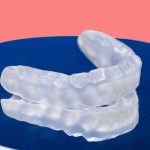
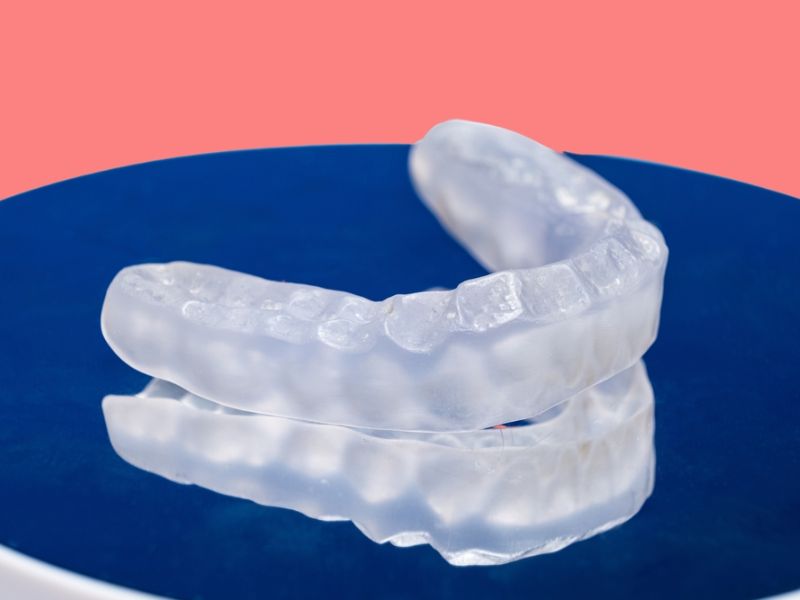
A night guard in Riverview may be recommended if grinding threatens your teeth. It creates a barrier between the upper and lower teeth, helping limit damage, although it does not necessarily stop the grinding itself.
What Happens During Sleep Bruxism?
Sleep bruxism involves clenching, grinding, or repeatedly pressing the teeth together while asleep. Stress, disrupted sleep, certain medications, and individual neurological patterns may contribute. In some cases, snoring or other signs of a sleep-related breathing disorder warrant further medical assessment.
Repeated pressure can wear enamel, damage fillings, aggravate existing cracks, or strain the jaw muscles. Treatment depends on symptoms and evidence of damage rather than grinding alone.
Signs Worth Noticing
Mention these symptoms during a dental assessment:
- Jaw tightness or headaches after waking.
- Tooth sensitivity or discomfort when biting.
- Chipped edges, flattened tooth surfaces, or damaged fillings.
- Grinding sounds reported by someone who sleeps nearby.
These signs do not confirm nighttime teeth grinding. A dental examination can help distinguish bruxism from decay, cracked teeth, gum disease, or jaw-joint problems.
How Can You Protect Your Teeth?
A dentist in Riverview can check for enamel wear, cracks, damaged restorations, and muscle tenderness. Depending on the findings, recommendations may include a custom-fitted guard, repair of damaged teeth, or strategies to reduce daytime clenching. Relaxation techniques may help manage stress, but they are not a guaranteed treatment for sleep bruxism.
Avoid chewing ice and using your teeth to open packages. If you catch yourself clenching during the day, let your jaw relax with your teeth slightly apart.
When speaking with a dentist near you, ask what the recommended treatment is intended to address. Stop using a guard and seek advice if it causes new pain or changes how your teeth meet.
Wake Up with Less Tooth and Jaw Discomfort
If you often wake up with tooth or jaw pain, it is important to find out what may be causing it. Everglades Dental Studio can check your teeth and jaw, explain the possible causes, and suggest suitable treatment options. Contact the team today to book an appointment and take the next step toward more comfortable mornings.
FAQs
Can stress make me grind my teeth during sleep?
Stress may contribute to bruxism, but it is not the only factor. Sleep patterns, certain medications, and individual neurological activity can also play a role. Managing stress may help some people, although persistent symptoms still deserve assessment to identify contributing factors and protect the teeth.
Can a night guard change my bite?
A properly fitted guard is generally designed to protect teeth, not permanently reposition them. However, discomfort or changes in how your teeth meet should not be ignored. Stop using the appliance and contact a dental professional if your bite feels different or new pain develops.
Should I use a store-bought guard?
Over-the-counter guards vary in fit, thickness, and comfort. An unsuitable appliance may irritate the gums or feel uncomfortable, particularly when dental problems are already present. Ask a dental professional whether one is appropriate for your symptoms and whether a custom-fitted option would offer better protection.
When is morning jaw pain urgent?
Seek prompt dental or medical care if jaw pain follows an injury, your jaw becomes locked, or you have facial swelling or fever. Severe pain, difficulty swallowing, or trouble breathing requires urgent assessment. Recurring morning discomfort should also be evaluated, even when it improves later in the day.