Jaw pain, headaches, and difficulty chewing can all be signs of temporomandibular joint (TMJ) disorders. Many people ask: Do mouth guards help with TMJ? A dentist in Riverview often recommends custom mouth guards to relieve jaw pressure, prevent teeth grinding, and improve comfort.
TMJ problems affect the jaw joint and surrounding muscles. Using a mouth guard is a non-invasive way to manage symptoms and protect teeth from wear. Early treatment can prevent more serious jaw problems and reduce daily discomfort.
How Mouth Guards Work for TMJ
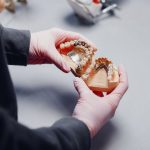
Mouth guards are designed to fit snugly over the teeth and keep the jaw in a relaxed position. This reduces tension in the muscles and prevents clenching or grinding during sleep, which are common causes of TMJ pain.
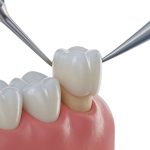
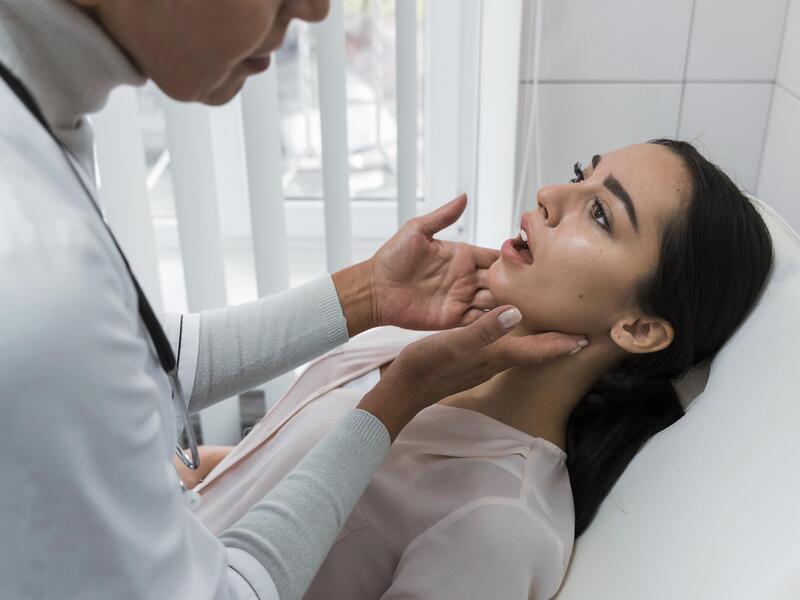
During TMJ consultations near you, a dentist evaluates the jaw joint, bite alignment, and muscle function to determine if a mouth guard is the right solution. Types of mouth guards include:
- Over-the-counter night guards: Readily available but may not fit perfectly.
- Custom-made mouth guards: Designed by a dentist to fit your teeth exactly, providing maximum comfort and effectiveness.
- Sports mouth guards: Primarily for protection during physical activity, but can reduce minor jaw strain.
Custom-made guards generally provide the best relief from TMJ discomfort and prevent further damage to the jaw and teeth.
Benefits of Using a Mouth Guard
A mouth guard that is fitted correctly has benefits.
- Helps relieve jaw strain and nighttime clenching.
- Reduces pain caused by jaw strain.
- Safeguards your teeth from enamel and wear damage.
- Encourages correct jaw positioning.
- Sleep quality can improve as jaw discomfort decreases.
While mouth guards will not treat TMJ, they do a great job of relieving symptoms and not adding pressure to the jaw.
When a Mouth Guard Is Recommended
Mouth guards are often recommended for people who have:
- Grinding or clenching teeth (bruxism)
- Jaw pain, stiffness, or soreness
- Headaches caused by jaw tension
- Bite problems that strain the jaw
A dentist near you can check if a mouth guard will help and if other treatments like jaw exercises, bite adjustments, or medicine are needed.
How to Care for Your Mouth Guard
If you don’t want to throw your mouthguard away, maintain it.
- Use a soft toothbrush and dish soap for daily cleaning.
- Be careful to rinse it before and after use.
- Keep in a ventilated case to prevent bacteria build-up.
- Stay away from hot water or sunlight.
- Bring it along to dental visits for periodic checks.
When taken care of properly, a TMJ treatment is comfortable, effective and lasts longer with periodical use.
Other Treatments for TMJ
Mouth guards help, but TMJ can also get better with other treatments:
- Jaw exercises: Gentle stretches help your jaw relax and move more easily.
- Relaxation: Stress relief can stop clenching and grinding.
- Medicine: Pain relievers or muscle relaxers can help if your jaw hurts a lot.
- Bite adjustment: Small changes to your bite can make your jaw feel better.
Combining these therapies with a mouth guard often provides the best results for long-term relief.
Signs You Might Need a Mouth Guard
Some warning signs that a mouth guard could help include:
- Jaw pain or stiffness
- Clicking, popping, or locking of the jaw
- Frequent headaches
Worn-down or sensitive teeth
- Teeth grinding or clenching during sleep.
Scheduling TMJ consultations near you allows a dentist to evaluate your jaw and recommend the most effective treatment plan.
Take Control of Jaw Pain Today!
Mouth guards provide a safe, non-invasive way to ease TMJ discomfort, reduce teeth grinding, and relieve jaw tension. They help make everyday activities and sleep more comfortable while protecting your teeth. Trust Everglades Dental Studio for friendly, expert care made just for you. Book your appointment today to protect your smile and keep your jaw comfortable.
FAQs
Do mouth guards really help with TMJ?
Yes. Mouth guards help reduce jaw tension, prevent teeth grinding, and ease discomfort in the jaw and surrounding muscles. Custom-fit guards made by a dentist are usually the most comfortable and effective option.
Can I use an over-the-counter mouth guard?
Over-the-counter guards may provide some temporary relief, but a custom-made mouth guard ensures a precise fit and delivers consistent results over time. It also protects teeth more effectively and helps reduce jaw strain.
How long should I wear a mouth guard?
Most people wear a mouth guard at night while sleeping. Sometimes, the dentist may suggest wearing it during the day, too, if you clench or grind your teeth.
Can a mouth guard cure TMJ?
Mouth guards help with TMJ symptoms, but they may not completely cure them. Other treatments, like jaw exercises, stress relief, or small bite adjustments, may be needed for full relief.