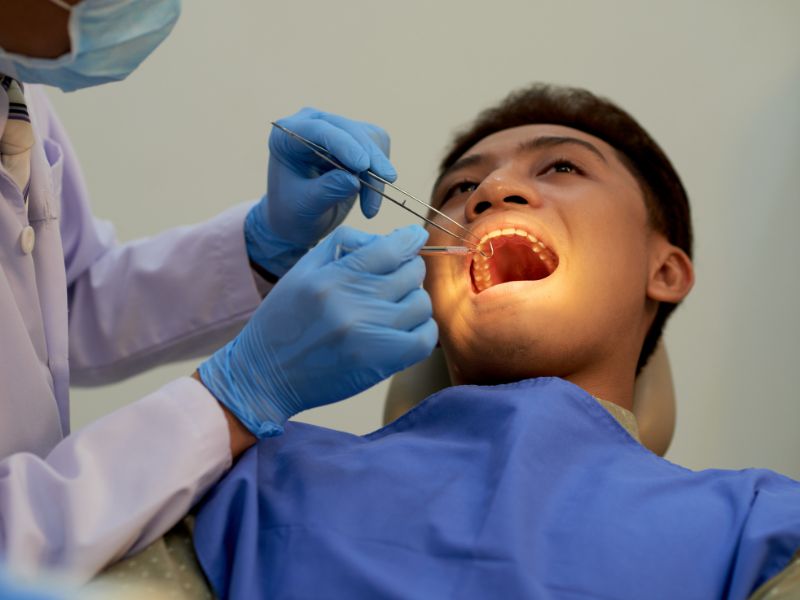
Having a bad tooth pulled can stop a big infection and protect the rest of your mouth. However, it is normal to feel some mild soreness and puffiness once the numbing medicine wears off.
Knowing exactly what to do after tooth extraction for pain relief keeps you comfortable and helps you heal faster. By following a few basic steps at home, you can easily control the swelling and keep the area safe.
Let us look at the best ways to care for your mouth so you can get back to normal quickly.
Why Keeping The Gauze Pad In Place Is So Important
Right after your visit, the team will place a thick cloth pad over the empty spot. You need to bite down firmly on this pad for at least thirty to forty-five minutes to stop the bleeding.
This steady pressure helps a healthy blood clot form inside the open hole, which protects the bone and nerves underneath. Leaving this clot alone is the most important step in your whole healing path.
If the clot accidentally pops out or washes away, it can lead to a very painful problem called dry socket.
How To Use Ice And Heat To Control Your Swelling
- First Twenty-Four Hours: Hold a cold ice pack wrapped in a towel against your cheek for fifteen minutes to stop swelling before it starts.
- Take Quick Breaks: Leave the ice pack off for fifteen minutes between uses to protect your skin from getting too cold.
- Switch to Warmth: After two days have passed, swap your ice pack for a warm washcloth to help soothe tight jaw muscles.
- Timeline Guide: Knowing how long does pain last after tooth extraction helps you plan your home care, as most soreness completely peaks and fades within three days.
Safe Ways To Use Medicine To Stay Comfortable
- Take Pills Early: Swallow your first dose of store pain pills before the local freezing from the office wears off completely.
- Follow the Label: Always read the bottle instructions carefully to know exactly how many pills to take and when to take them.
- Reduce Swelling: Basic swelling medicines work great because they lower the throbbing ache right around the open bone spot.
- Expert Check: Meeting with a certified dentist in Riverview allows you to get a custom recovery plan and strong prescription pills if your case is extra large.
What Foods Are Safest To Eat While Your Mouth Heals
| Days After Treatment | Best Soft Foods to Eat | Foods to Avoid Completely | Why It Matters |
| Day 1 to Day 2 | Cold smoothies, yogurt, applesauce, pudding | Hot soups, spicy foods, crunchy chips | Warm liquids can dissolve the delicate blood clot |
| Day 3 to Day 5 | Mashed potatoes, scrambled eggs, soft pasta | Rice, small seeds, chewy meats | Tiny food bits can easily get stuck inside the hole |
| Day 6 and Beyond | Normal foods chewed on the other side | Hard nuts, sticky candy, ice cubes | Keeps the healing tissue from ripping open again |
How To Brush And Rinse Your Teeth Without Hurting The Socket
- Skip the First Day: Do not spit, brush, or rinse your mouth at all on the first day to let the clot settle safely.
- Warm Saltwater: Starting on the second day, swish very gently with warm saltwater every few hours to wash away bad germs.
- Let It Drool: Instead of spitting the water out hard, simply lean over the sink and let the liquid drool out of your mouth naturally.
- Brush Carefully: Keep brushing your other teeth normally, but be very gentle when moving your toothbrush near the empty spot.
What Activities You Must Avoid To Prevent Extra Bleeding
- No Drinking Straws: The strong sucking motion from using a straw will pull the protective blood clot right out of the hole.
- Avoid Hard Workouts: Skip heavy lifting, fast running, or gym visits for a few days because a fast heartbeat triggers fresh bleeding.
- Do Not Smoke: Using tobacco lowers the amount of clean oxygen in your blood, which stops your body from healing the open wound.
- Rest Your Head: Keep your head propped up on a few soft pillows when sleeping to keep blood pressure away from your jaw.
Finding A Local Expert To Help You Fix A Broken Tooth
Taking care of a cracked or badly decayed tooth early keeps a minor infection from turning into a massive emergency. If you are currently dealing with a deep ache, looking for high-quality tooth extractions near you helps you get fast relief.
A trusted dentist near you can take quick digital X-rays to see if the tooth can be saved with a filling or if it needs to come out. Finding a friendly local office ensures you get the best care close to home without long drives.
Get Gentle Care for a Pain-Free Smile
Fixing a damaged tooth is the safest path to protecting your overall health and keeping the rest of your mouth completely healthy.
At Everglades Dental Studio, we use highly gentle methods and modern comfort techniques to make your experience relaxed, easy, and stress-free. Our team is fully committed to guiding you through a smooth, comfortable recovery with the best personal care possible.
You deserve to live without constant toothaches and enjoy your favorite meals with absolute peace of mind. Call us right now to book your visit, reach out today and let us help you get started!
Frequently Asked Questions
Why does my jaw feel stiff after an extraction?
Your jaw feels tight because it stayed open wide during the treatment. Putting a warm washcloth on your cheek and eating soft foods will help the muscles relax in a few days.
What should I do if the socket starts bleeding again?
Bite down firmly on a fresh gauze pad or a damp black tea bag for thirty minutes. The natural traits of the tea bag work quickly to stop minor home bleeding.
How do I know if I have a dry socket?
A dry socket causes a sharp, throbbing pain that shoots toward your ear three days after your visit. You will also notice a bad taste and see an empty, white hole.
When can I chew on the extraction side again?
Wait at least one to two weeks before chewing on that side so new skin can cover the bone. Stick to the opposite side of your mouth until the spot heals.